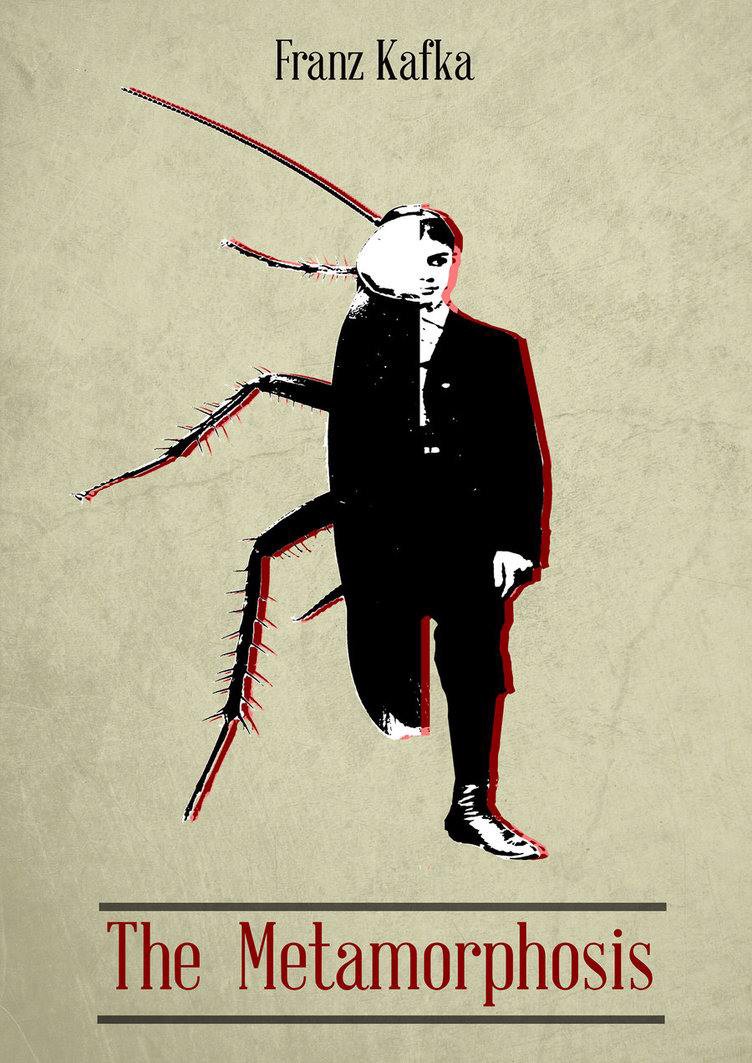
Classic literature often explores the question of identity and self-exploration. Although not in the modern understanding, writers have long attempted to examine human beings and their motivations. While many theorists hold different opinions, the books remain relevant even today, helping us explore our personalities and ponder life decisions.
In the following, we cover five inspiring examples of self-creation and identity in classic literature, highlighting the strengths and weaknesses of each position.
Odysseus: Identity as Adaptation and Survival
Homer’s Odyssey offers one of the earliest literary explorations of identity. In his quest for his journey home, Odysseus repeatedly conceals and reveals his identity, using intelligence and deception to survive.
- The story of Odysseus informs us that self-creation has a lot to do with understanding how to adapt while remaining faithful to one’s own values.
- Odysseus presents his ability to shape himself depending on circumstances. His identity includes different roles – a warrior, a trickster, a king, and a survivor.
- Every role mirrors of different aspects of his personality.
Jane Eyre and the Force of Moral Independence
Charlotte Brontë’s Jane Eyre presents one of the most enduring portraits of self-created identity in classic literature. Jane begins her life as a marginalized and mistreated orphan. However, she exhibits moral and emotional independence despite social limitations, gender, and circumstances.
- Jane’s journey exhibits resistance and the unrestrained exercise of free will.
- She also shows that self-creation results from integrity, ethical consistency, and self-respect.
Pip in Great Expectations
In Great Expectations, Charles Dickens explores identity as something that changes and evolves. In the novel, Pip grows from a humble blacksmith’s apprentice into a “gentleman,” reflecting his desire to escape his origins and redefine himself despite the attendant cost.
- Pip’s story talks a lot about the tension between external success and internal fulfilment.
- In the process of reshaping himself to meet society’s expectations, he disconnects from those who truly care for him.
- Eventually, he comes to realize that any identity built on vanity and rejection of one’s roots is hollow.
- Dickens suggests that true self-creation requires reconciliation with one’s origins, instead of denial.
Elizabeth Bennet in Pride and Prejudice
Jane Austen’s Pride and Prejudice accounts for a deep and effective exploration of identity through the character of Elizabeth Bennet. Elizabeth sees the self as a product of intelligence, wit, and moral judgment, but it is her ability to reflect and change that makes her journey inspiring.
- Through her self-awareness, Elizabeth recognizes her own mistakes and prejudices.
- Austen presents identity as a growing understanding of reflection and humility.
- Elizabeth’s journey demonstrates that self-creation often requires learning to revise one’s self-image instead of defending it rigidly.
Victor Frankenstein: The Dangers of Identity Without Responsibility

Mary Shelley’s Frankenstein explores identity from a much darker perspective, exposing what happens when self-creation is pursued without ethical responsibility. During his attempt to play God, Victor Frankenstein tries to overcome the limitations of humanity by creating life. Sadly, his identity as a creator fails when he refuses to take responsibility for his creation.
- The novel suggests that one cannot separate identity from accountability.
- Self-creation without compassion or moral conviction leads to destruction.
- Shelley’s work warns about the dangers of uncontrolled ambition and defining oneself solely by power.
Other Books That Explore Self-Identity
If you are looking for less known books that explore personality development, you can try these:
- The Awakening by Kate Chopin: The novel explores a woman’s growing awareness of her own desires as she begins to question social expectations and personal freedom.
- Steppenwolf by Hermann Hesse: This work focuses on inner conflict, showing how identity can feel fragmented.
- A Portrait of the Artist as a Young Man by James Joyce: The novel follows a young artist as he slowly separates himself from religion, family, and society to form his own identity.
The Enduring Power of Identity in Classic Literature
The five characters show one of the brightest examples of identity and self-creation in classic literature. They show that human personality is not static. Instead, it is a matter and product of lifelong development, choices, and sometimes conflict. Another captivating point about these stories is their honesty about the process of self-creation.
They let us know that self-creation is not an easy process. Sometimes it is uncomfortable; at times, it is uncertain. In the same breath, they show that by shaping identity intentionally and ethically, self-creation can be a source of strength.